What Is It?
The hibiscus plant is native to Africa and Asia, but can also be grown in more temperate regions.
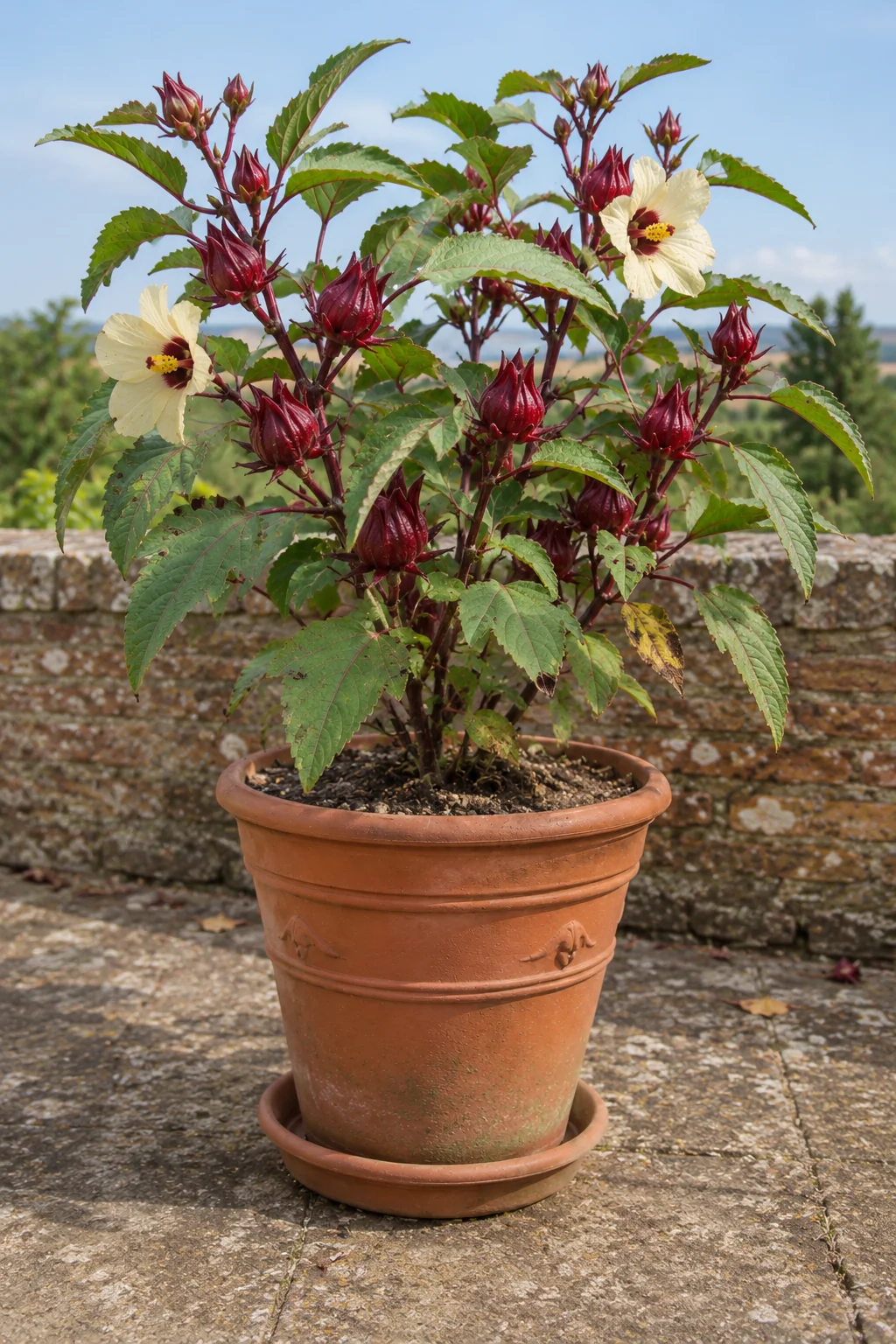
The plant grows to a height of 2-8 feet, and produces large blooms, usually red, pink, white, yellow and purple.
It is the species of the hibiscus plant commonly known as roselle that is edible.
The part of the flower that surrounds the growing bud, the calyx, is dried and used to make a drink.
This drink has many different names in different parts of Africa- for example, folere (pronounced: foh-la-re) in Cameroon, zobo in Nigeria and bissap in Senegal.
It is known as sorrel in the Caribbean, which is not to be confused with the herb of the same name.
How To Prepare
Wash thoroughly.
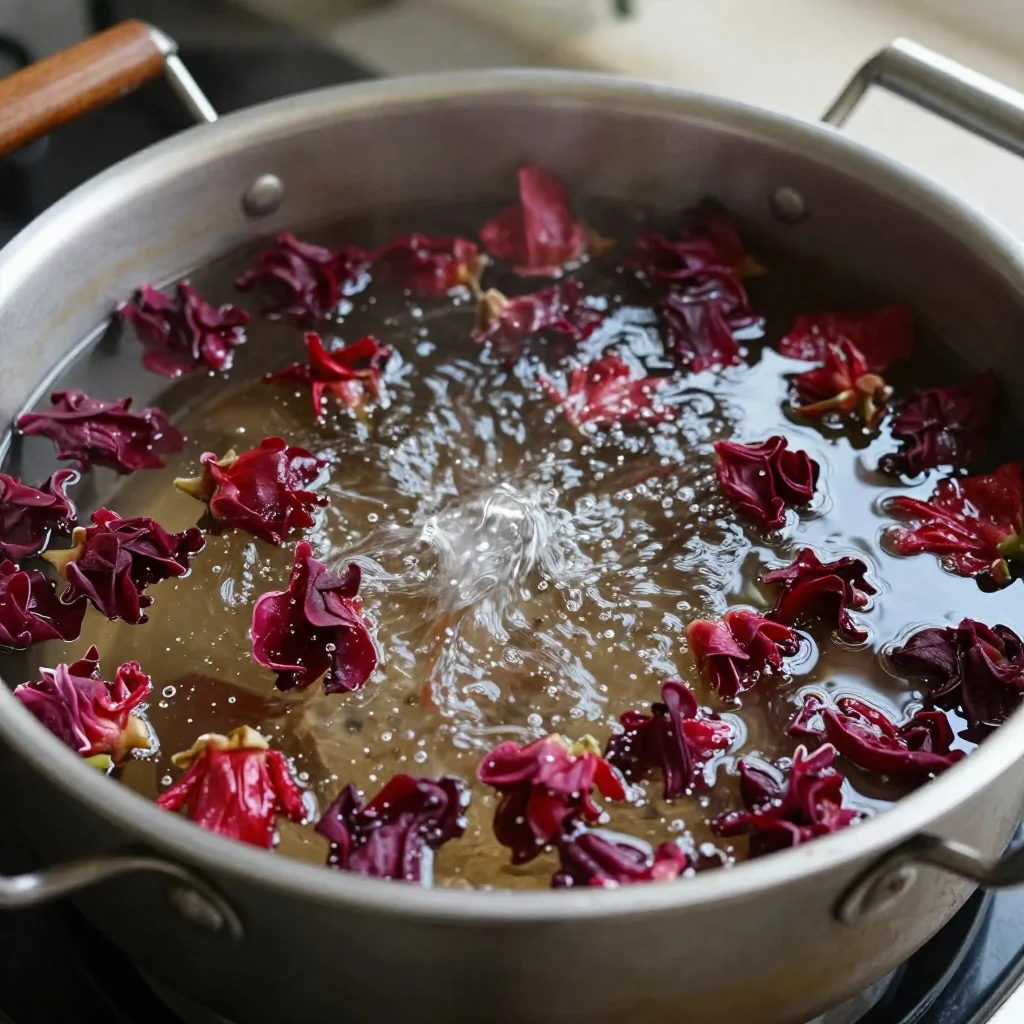
Fill a large pan with water and bring to the boil.
Turn off the heat, add a couple of handfuls of hibiscus flowers, a few cloves, a cinnamon stick and a star anise, and cover.
Allow to infuse in the water for at least 30 minutes to one hour.
Strain the water and add some sweetener such as sugarcane or pineapple juice.
How To Serve
The drink can now be poured into mugs and served warm in the colder months.
Being naturally caffeiene free, it makes an excellent bedtime drink.
During the hot summer months, pour the drink into tumblers, refrigerate and serve chilled.
Hibiscus tea is rich in antioxidants that relax and expand blood vessels.
It is a natural diuretic, flushing out excess fluid and salt from the body.
These actions combined means that regular consumption of hibiscus tea can lower blood pressure.
Cholesterol, Free Radicals and Oxidation
Cholesterol is a molecule that, in large amounts, appears as a waxy, fat like substance.
The body uses cholesterol to build cells, make hormones, produce vitamin D, and help digest food.
Most cholesterol is made by the liver, but some also comes from animal products such as meat, butter, cheese, and eggs.
The liver processes cholesterol absorbed from food and decides whether to use it, store it, convert it into bile or remove it from the body.
Lipoproteins (particles made of fat and protein) carry cholesterol through the bloodstream.
Low density lipoproteins (LDL), which contain more fat than protein, deliver cholesterol from the liver to the body's cells.
If there is too much LDL in the bloodstream, cholesterol can build up in artery walls and contribute to plaque formation, narrowing blood vessels and increasing the risk of heart attacks and strokes.
High density lipoproteins (HDL), which contain more protein than fat, remove excess cholesterol from the bloodstream and carry it back to the liver, where it is processed and removed.
Free radicals are highly reactive molecules with an unpaired electron. They occur naturally during such processes as breathing, converting food into energy, exercise, and immune system activity.
However, free radical production can increase greatly due to smoking, pollution, excessive alcohol, chronic stress, high blood sugar, poor diet, UV radiation and inflammation.
Free radicals steal electrons from nearby molecules to stabilize themselves.
These nearby molecules may then steal electrons from other molecules, creating a chain reaction.
Free radicals can attack and alter the structure of LDL particles. This is known as lipid oxidation.
The immune system sees oxidized LDL as harmful and attempts to remove it using white blood cells called macrophages.
However, these macrophages can become overloaded with oxidized LDL, turning into “foam cells” that accumulate in artery walls and contribute to plaque formation.
Due to their chemical structure, antioxidants— found in foods such as hibiscus tea, tiger nuts and fresh vegetables— can donate electrons to free radicals without becoming unstable themselves, helping prevent oxidative damage.