What Is It?
Dried edible snails are a traditional ingredient enjoyed in many parts of Africa.
Valued for their distinctive flavour and nutritional qualities, they bring a rich depth of flavour to soups, stews and sauces.
Our premium edible snails are sourced from Cameroon, carefully selected, cleaned and sun-dried using traditional methods to preserve their natural flavour.
With no added ingredients or artificial preservatives, they are a versatile store cupboard ingredient with a long shelf life.
How To Prepare
Before cooking, dried snails should be soaked in water for at least 8 hours, although we recommend soaking for 24 hours to allow them to fully rehydrate and soften.
After soaking, drain and rinse thoroughly with fresh water.
Add the snails to your chosen dish and cook thoroughly until tender.
How To Serve
With their distinctive flavour and firm, meaty texture, dried snails are an excellent addition to a wide variety of dishes.
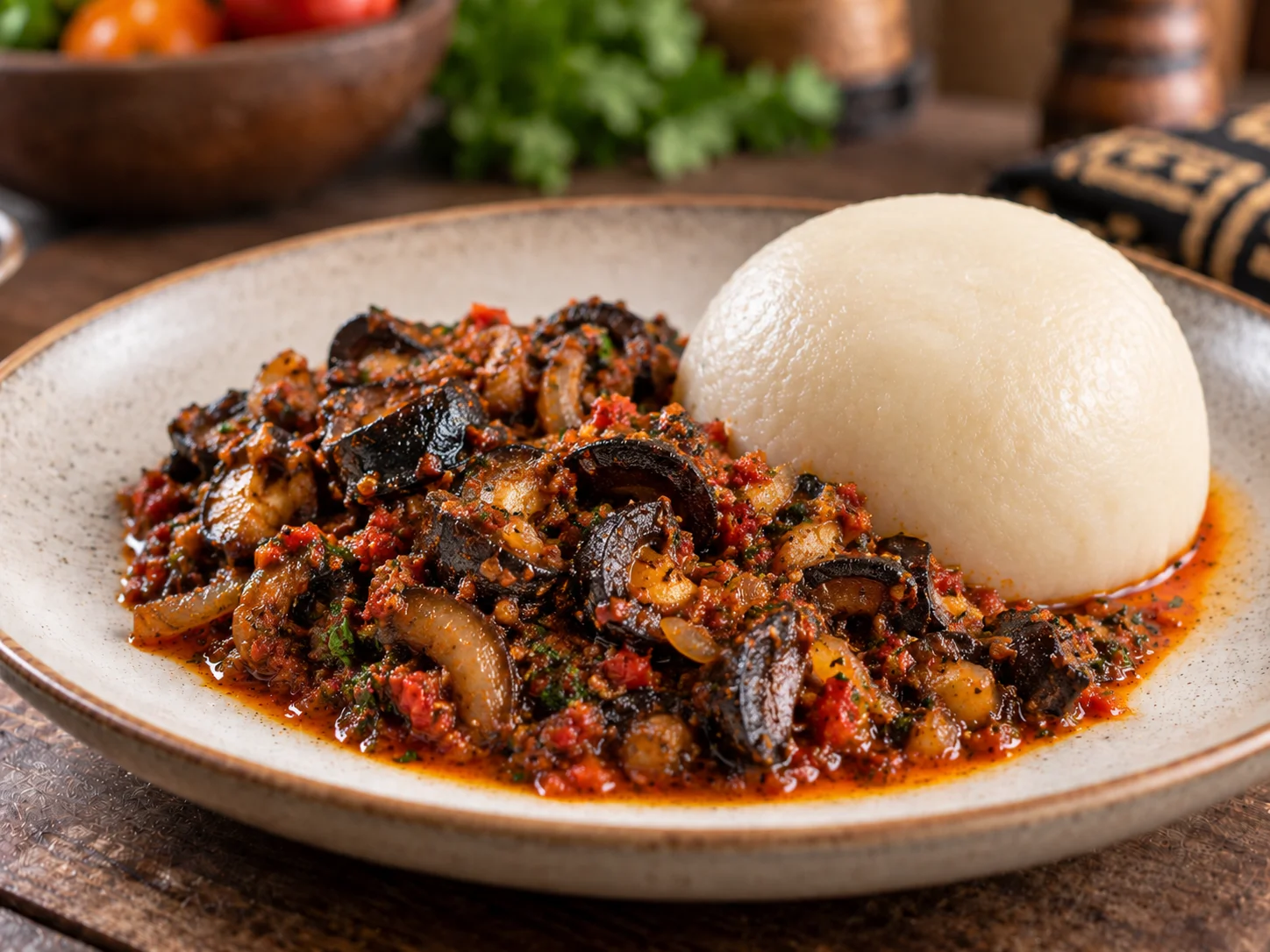
They are particularly well suited to slow-cooked soups, rich tomato-based stews and traditional African sauces, where they absorb the flavours of the surrounding ingredients.
Serve with fufu, rice, plantain or yam for a satisfying meal.
Their rich flavour means that even a small quantity can add considerable depth to a dish.
Naturally rich in protein and low in fat, edible snails offer an alternative to conventional sources of animal protein.
They contain all nine essential amino acids — those that the human body cannot produce in sufficient quantities and must obtain through the diet.
Sustainable Farming
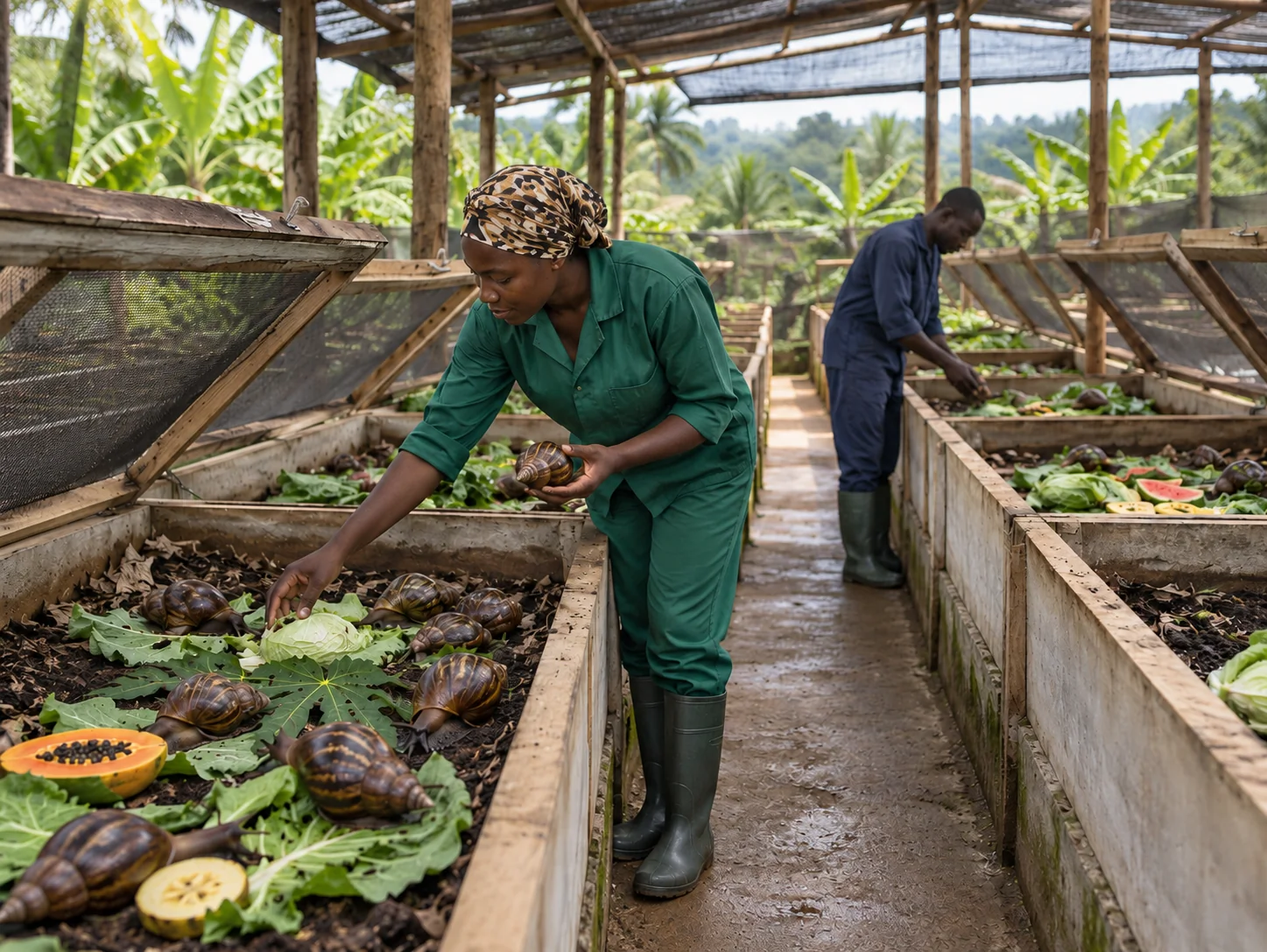
Snail farming can offer a more sustainable alternative to conventional livestock farming, requiring relatively little space and fewer resources.
Unlike larger livestock such as cattle, snails can be raised in modest enclosures without the need for extensive grazing land.
Being cold-blooded, they do not need to expend energy maintaining a constant body temperature, allowing them to convert a greater proportion of their food into growth.
They can also feed on a variety of leaves, fruit and vegetable waste, helping to reduce food waste and the demand for specially grown animal feed